Restaurant Trends 2026–2030 What Food Trends Will Make Restaurants Sustainable — and How to Prepare
- December 6, 2025
- Culinary & Cooking, F&B Service Operation, News & Events, Restaurant Management
- 3 mins read
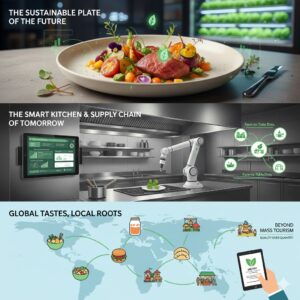
The restaurant industry is entering one of the most transformative decades in its history. Between 2026 and 2030, operators will face rising costs, labor shortages, rapidly shifting customer expectations, and intense competition. Sustainability—both financial and operational—will depend on a restaurant’s ability to adapt swiftly, stay relevant, and deliver a clear value proposition.
Below is an in-depth analysis of the trends that will drive restaurant success in the next five years, along with strategic recommendations for long-term survival.
- Functional Food & Wellness Dining
“Food that does more than taste good.”
Customers today increasingly seek food that delivers specific health benefits, not just flavour. This will be the defining shift in 2026–2030.
Key Drivers
- Growing health consciousness in Thailand and across Asia
- Ageing population with greater focus on immunity, anti-inflammation, and nutrition
- Rising wellness tourism and medical tourism
- Demand for “feel-good” diets that support daily lifestyle
Trends to Watch
- High-protein, low-carb, balanced-nutrition dishes
- Probiotic / prebiotic menus for gut health
- Immune-boosting soups, broths, and herbal drinks
- Genuine plant-based dishes that focus on taste and texture
- Cold-pressed juices, superfood smoothies, and wellness beverages
Why it matters:
Restaurants offering wellness-driven menus will see repeat customers and higher customer loyalty.
- Premium Local & Hyper-Regional Cuisine
“Elevating local flavors with clean, premium execution.”
Thai diners—and international visitors—are rediscovering regional Thai cuisine. The next wave is premium local, combining authenticity with quality and hygiene.
What Will Trend
- Modern northern and Isan cuisine with MSG-free, clean flavors
- Premium Thai seafood using sustainable local catch
- Signature dishes featuring ingredients sourced from Thai farmers
- Menus that tell regional stories and highlight culinary heritage
Why It’s Growing
- Import prices continue to fluctuate
- National pride in Thai food is rising
- Tourists seek unique regional experiences
Restaurants that champion Thai ingredients will reduce costs and build a strong identity.
- Smart Kitchens & Low-Labor Models
“Efficiency, consistency, and lower operating costs.”
Labor shortages will intensify, and restaurants must operate with fewer but more skilled staff. Technology and semi-automation will become standard.
Key Innovations
- Intelligent temperature-controlled cooking equipment
- Semi-automated frying, grilling, and cooking stations
- Smart POS with inventory forecasting
- Partial central kitchens for pre-prep and standardization
Why It Matters:
- Reduces dependence on large crews
- Ensures consistent quality daily
- Minimizes food waste and improves cost control
This shift is no longer optional—it is a survival strategy.
- Experience-Driven Dining
“Customers pay for stories, emotions, and moments—not just meals.”
From 2026 onward, restaurants that deliver memorable experiences will thrive.
Winning Experiences
- Live cooking and chef-table interactions
- Menus with cultural or culinary storytelling
- Fine-casual dining: premium but approachable
- Concept-driven formats like Thai Omakase, farm-to-table, or heritage dining
Why It Works:
Gen Z and Millennials value experiences over possessions. If a restaurant can create something worth sharing, customers will return—and bring others.
- Sustainability & Ethical Food Practices
“A requirement, not a trend.”
Sustainability is becoming a baseline expectation, especially among tourists and younger Thais.
Key Shifts
- Reduced plastic usage
- Traceable origin of ingredients
- Food waste management systems
- Energy-efficient kitchen solutions
Restaurants that embrace sustainability enhance their brand image and appeal to environmentally conscious diners.
How Restaurants Must Adapt (2026–2030 Strategy)
- Sharpen Your Concept and Story
- Define your restaurant’s identity clearly
- Ensure customers understand what you offer within seconds
- Build a brand story that connects emotionally
- Control Costs Through Smarter Operations
- Adopt pre-prep and centralized production
- Implement inventory tech to cut waste
- Re-train staff for multi-skill roles
- Develop Menus That Customers Can Eat Weekly
Wellness and premium local dishes drive regular, sustainable traffic—not just occasional visits.
- Shift Marketing to Content, Community, and Video
Marketing from 2026 onward will be dominated by:
- Short-form video (TikTok, Instagram Reels)
- Micro-influencer reviews
- Community activities (chef workshops, themed nights)
- Loyalty programs and personalized offers
- Use Data to Guide Every Decision
Restaurants must track:
- Customer frequency
- Best-selling items
- Peak times
- Average spending per guest
Data-driven decisions will separate successful restaurants from those that fail.
Conclusion: What Ensures Long-Term Survival
To thrive between 2026 and 2030, restaurants must:
✓ Embrace wellness and functional foods
✓ Highlight premium local ingredients
✓ Invest in smart kitchens and low-labour systems
✓ Deliver unique dining experiences
✓ Market through video-driven content
✓ Manage costs, staff, and operations professionally
Sustainability comes from clarity, consistency, and innovation—not just good food.