F&B Department Budgeting: A Comprehensive Guide
- November 21, 2025
- F&B Service Operation
- 2 mins read
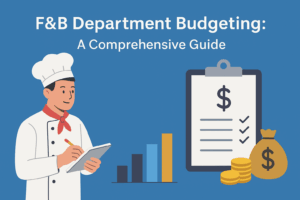
Crafting an effective Food & Beverage budget is a critical management function that demands meticulous analysis, strategic foresight, and disciplined execution. Here’s how seasoned hospitality professionals approach this essential task.
- Historical Data Collection and Analysis
Begin by conducting a thorough examination of historical performance data spanning at least one to three years:
- Revenue streams by outlet (restaurants, bars, in-room dining, banquets)
- Cost of goods sold for food and beverage
- Labor costs and productivity metrics
- Operating expenses across all categories
- Occupancy rates and cover counts
- Seasonal patterns and trend analysis
- Revenue Forecasting
Develop revenue projections by analyzing multiple factors:
- Market trends and economic indicators
- Competitive landscape positioning
- Seasonal demand fluctuations
- Planned promotional campaigns
- Anticipated hotel occupancy levels
- Menu pricing strategy and mix
- New offerings or concept launches
- Establishing Cost of Goods Targets
Set realistic benchmarks for product costs:
- Food Cost: Typically ranges from 28-35% of sales, depending on concept
- Beverage Cost: Generally falls between 20-30% of sales
- Consider your establishment’s positioning—fine dining operations may run higher food costs while maintaining premium pricing
- Labor Budget Development
Calculate comprehensive staffing expenditures:
- Base salaries and hourly wages
- Overtime projections
- Benefits packages and insurance
- Payroll taxes and statutory contributions
- Training and development investments
- Recruitment costs
- Target labor cost percentage: 30-35% of revenue as a general guideline
- Operating Expense Allocation
Account for all operational costs:
- Utilities (electricity, water, gas)
- Linen and laundry services
- Supplies and disposables
- Equipment maintenance and repairs
- Tableware and smallwares replacement
- Marketing and promotional activities
- Entertainment and ambiance costs
- Cleaning supplies and chemicals
- Guest amenities
- Licenses and permits
- Cost Center Segmentation
Break down budgets by individual profit centers:
- Main dining room
- Specialty or signature restaurants
- Bars and lounges
- Room service operations
- Banquet and catering
- Stewarding and central production kitchen
- Key Performance Indicators (KPIs)
Establish measurable success metrics:
- Revenue per Available Seat Hour (RevPASH)
- Average check per guest
- Food cost percentage
- Beverage cost percentage
- Labor cost percentage
- Flow-through or profit margin
- Guest satisfaction scores
- Table turnover rates
- Monitoring and Adjustment Protocols
Implement rigorous review processes:
- Monthly variance analysis comparing actual to budget
- Weekly flash reports for critical metrics
- Quarterly forecast revisions
- Regular management meetings to address deviations
- Corrective action plans for underperformance
- Opportunity identification for exceeding targets
Best Practices for F&B Budgeting
Be Conservative Yet Realistic: Avoid overly optimistic projections that set you up for disappointment. Base forecasts on solid evidence rather than wishful thinking.
Ensure Cross-Functional Input: Engage your executive chef, beverage director, and outlet managers in the budgeting process. Their operational insights are invaluable.
Build in Contingencies: Set aside reserves for unexpected circumstances—equipment failures, market disruptions, or unforeseen opportunities.
Leverage Technology: Utilize your POS system analytics, inventory management software, and labor scheduling tools to inform decisions with real-time data.
Stay Agile: Markets shift, trends emerge, and circumstances change. Your budget should be a living document, not a static decree gathering dust.
Track Diligently: Establish weekly review rhythms. Waiting until month-end to discover problems means missed opportunities for course correction.
Communicate Transparently: Share relevant budget information with your team. When staff understand the financial goals, they become partners in achieving them.
The Bottom Line
A well-crafted F&B budget serves as your operational roadmap, strategic compass, and accountability framework. It transforms financial management from reactive scrambling into proactive leadership. Master this discipline, and you’ll position your operation for sustainable profitability and long-term success in an industry where margins are thin and competition is fierce.
Remember: the budget isn’t about restriction—it’s about enablement. It tells you where you can invest, where you must economize, and how to allocate resources for maximum impact. Done right, budgeting becomes your competitive advantage.